



From homes to hospitals, autonomous cleaning robots are transforming hygiene, efficiency, and facility management across the United States New York, United States, 13 March 2026 – Cleaning is no longer just a manual task. Across …
0
From homes to hospitals, autonomous cleaning robots are transforming hygiene, efficiency, and facility management across the United States
New York, United States, 13 March 2026 – Cleaning is no longer just a manual task. Across the United States, automated cleaning robots are becoming a common sight in homes, offices, hospitals, and commercial buildings. Powered by artificial intelligence, smart sensors, and advanced navigation systems, these machines are changing the way people maintain clean environments.
The U.S. cleaning robots market is witnessing remarkable growth as more consumers and businesses adopt smart home and automation technologies. According to market estimates, the industry was valued at around $2.66 billion in 2024 and is projected to reach nearly $14.9 billion by 2032. This rapid expansion reflects a strong compound annual growth rate of more than 24 percent over the forecast period.
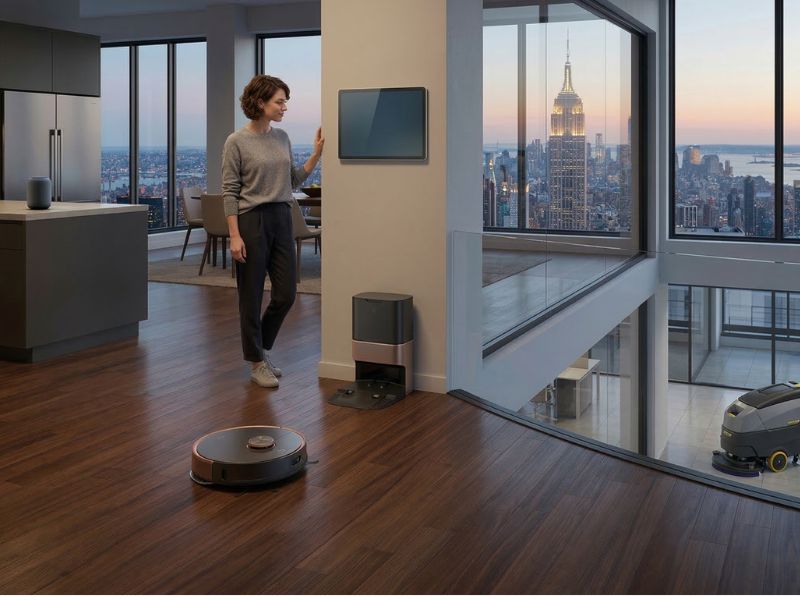
Cleaning robots are designed to perform everyday tasks such as vacuuming floors, mopping surfaces, cleaning windows, and maintaining pools with minimal human intervention. Equipped with sensors, cameras, and AI-powered mapping systems, these devices can move through rooms, avoid obstacles, and clean efficiently.
For many households, robotic cleaners are quickly moving from luxury gadgets to practical tools. With busy lifestyles and increasing demand for convenience, automated cleaning devices help reduce the time spent on daily chores while maintaining better hygiene.
One of the biggest drivers of this market is the growing popularity of smart homes. Modern households increasingly use connected devices such as smart lights, smart thermostats, and voice assistants. Cleaning robots easily integrate with these systems, allowing users to control them through smartphone apps or voice commands.
Users can schedule cleaning sessions, monitor progress remotely, and customize cleaning routines according to their needs. Over time, many robots can even learn the layout of a home and identify areas that require more frequent cleaning.
Several companies are introducing advanced robotic cleaning technologies to meet this rising demand. In October 2025, iRobot introduced a new generation of Roomba cleaning robots featuring improved artificial intelligence and advanced mapping technology. The system enables more precise navigation and better integration with smart home ecosystems.
Similarly, Ecovacs Robotics launched a multifunction robotic vacuum and mop system designed for large homes and commercial spaces. The system includes automated docking stations that handle tasks such as water refilling and self-cleaning, reducing the need for manual maintenance.
SharkNinja also expanded its robot vacuum lineup in 2025 by introducing models equipped with dirt detection technology and automatic debris disposal systems. These features improve cleaning efficiency, especially in homes with pets or heavy foot traffic.
Major technology companies are also strengthening their robotics capabilities through strategic acquisitions. Amazon recently enhanced its smart home ecosystem by integrating robotic vacuum technologies from iRobot, allowing deeper connectivity between voice assistants and cleaning devices.
Other companies are investing in robotics software and artificial intelligence to improve navigation and automation. For example, LG Electronics acquired a U.S.-based robotics software company to expand its smart cleaning robot portfolio for commercial buildings and hospitality spaces.
While robotic cleaners are widely used in residential settings, their adoption in commercial environments is also growing rapidly. Large facilities such as airports, hospitals, shopping malls, warehouses, and educational institutions are increasingly using autonomous cleaning systems.
Maintaining cleanliness in large buildings often requires extensive labor and operational costs. Cleaning robots offer a practical solution by performing repetitive tasks efficiently and consistently. Many of these robots can operate during off-hours, ensuring facilities remain clean without interrupting daily operations.
Technological innovation is another key factor accelerating market growth. Many modern cleaning robots now use LiDAR mapping technology, machine learning algorithms, and advanced sensors to navigate indoor spaces with greater accuracy.
Artificial intelligence allows these devices to learn from previous cleaning sessions and improve their performance over time. For example, robots can detect high-traffic areas that accumulate more dirt and adjust their cleaning patterns accordingly.
Battery technology has also improved significantly. Many robotic cleaners can automatically return to charging stations when power runs low and resume cleaning once fully recharged. These features ensure uninterrupted operation and greater convenience for users.
Another factor driving demand is the growing awareness of hygiene and sanitation. Consumers and businesses are increasingly prioritizing cleaner and healthier environments, particularly after global health events highlighted the importance of maintaining high sanitation standards.
Many robotic vacuum cleaners now include advanced filtration systems capable of capturing fine particles such as dust, pollen, and pet dander. Some commercial robots even use ultraviolet light technology to disinfect surfaces and reduce harmful pathogens in healthcare facilities and public spaces.
The role of robotics is also expanding in smart facility management. Large buildings are increasingly using centralized platforms that monitor security, energy consumption, lighting, and cleaning operations. Cleaning robots connected to these systems can provide real-time data on performance, maintenance requirements, and cleaning efficiency.
Facility managers can track cleaning activities across multiple locations, optimize schedules, and improve resource management. This integration of robotics and smart building technology is expected to become more common as organizations move toward fully automated facilities.
Looking ahead, the future of the U.S. cleaning robots market appears highly promising. As artificial intelligence, robotics, and Internet of Things technologies continue to evolve, cleaning robots are expected to become even smarter and more capable.
Companies investing in advanced AI navigation, automation technologies, and innovative product designs are likely to lead this fast-growing industry. With increasing demand for convenience, efficiency, and hygiene, robotic cleaning solutions are set to become an essential part of modern homes and smart facilities in the years ahead.